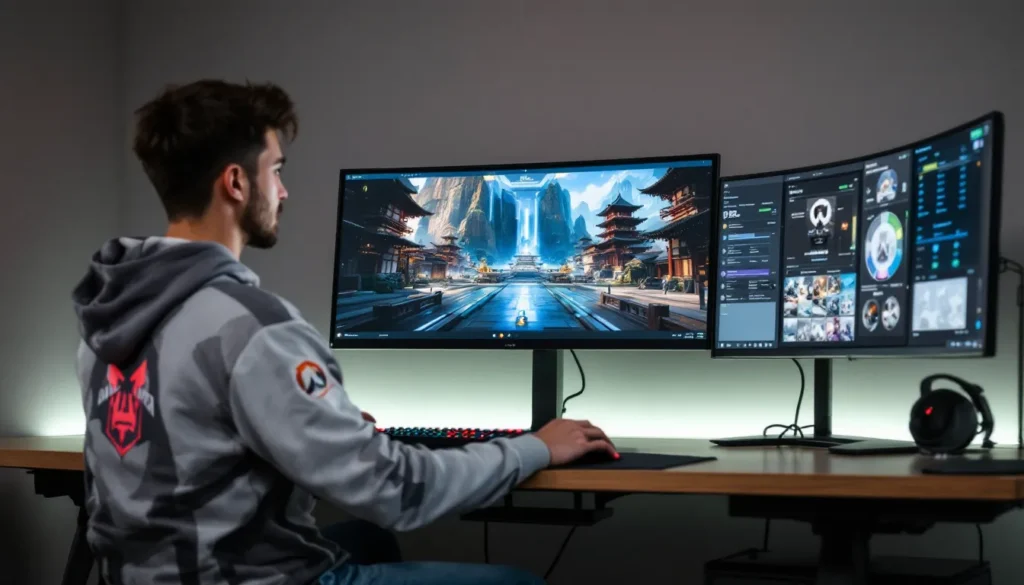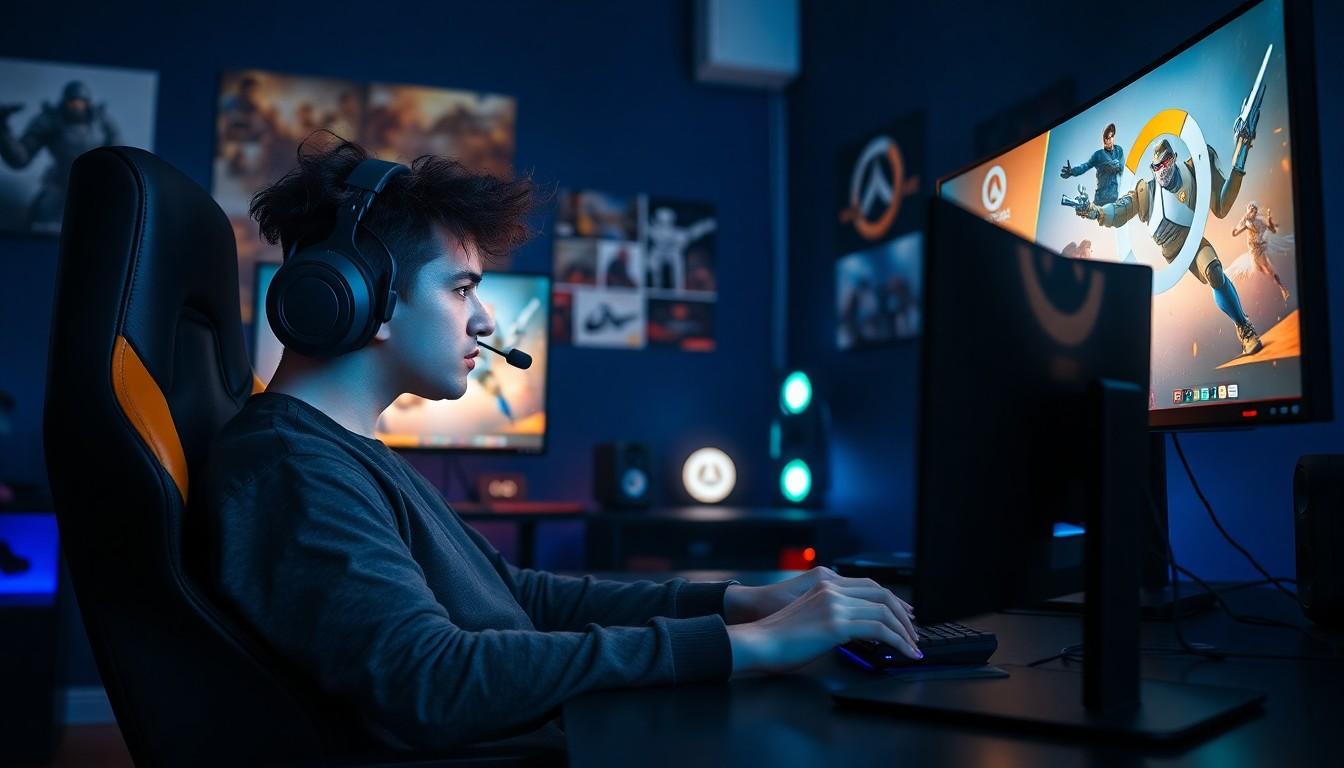

Picture this: you’re in the middle of an intense Overwatch match, adrenaline pumping, and just as you’re about to land that epic shot—bam! Buffering strikes. It’s like the game’s saying, “Hold on, let me just take a coffee break.” Frustrating, right? Buffering can turn even the most skilled players into mere spectators, watching their dreams of victory slip away one pixel at a time.
But fear not, fellow gamers! There’s a way to kick buffering to the curb and reclaim your gaming glory. With a few clever tweaks and some insider tips, you can smooth out your gameplay and keep the action flowing. Let’s dive into the world of reducing buffering in Overwatch and transform those laggy moments into seamless victories. After all, who wants to be the player known for their buffering skills instead of their headshot accuracy?
Understanding Buffering Issues in Overwatch
Buffering disrupts gameplay in Overwatch, affecting player performance and enjoyment. Recognizing the factors that contribute to this issue can significantly improve the gaming experience.
The Importance of Smooth Gameplay
Smooth gameplay fosters improved precision and strategic decision-making in Overwatch. Players find that seamless performance allows for quicker reactions during intense battles. Competitive edge often hinges on minimization of latency and buffering interruptions. Each frame serves as a critical moment for executing skills, timing attacks, and positioning characters. Maintaining consistent gameplay enhances overall enjoyment and satisfaction, leading to better team dynamics and collaborative efforts.
Common Causes of Buffering
Buffering frequently stems from several technical issues. Slow internet connections often rank as the primary culprit, leading to lag spikes and delays. Network congestion also impacts gaming performance, especially during peak usage times. Players may face buffering due to outdated hardware or software, affecting their device’s ability to handle the game’s demands. Additionally, issues with the game servers can contribute to persistent buffering, disrupting matchmaking and overall play. Understanding these factors helps players take actionable steps toward a smoother gaming experience.
Strategies to Reduce Buffering Overwatch

Buffering disrupts the flow of Overwatch gameplay, and several effective strategies exist to minimize this issue.
Optimizing Internet Connection
Testing the internet speed can identify connection weaknesses. A minimum download speed of 3 Mbps is necessary for smooth Overwatch gameplay. Using a wired connection instead of Wi-Fi often enhances stability and speed. Reducing usage of other devices on the network during gameplay can free up bandwidth. Ensuring the router is updated and positioned properly also helps improve signal strength. Lastly, contacting the internet service provider could yield options for better plans tailored for online gaming.
Adjusting In-Game Settings
Lowering the graphics settings can significantly increase the frame rate. Players should disable unnecessary visual effects to reduce strain on the system. Additionally, adjusting the resolution settings may lead to smoother gameplay and faster response times. Using the built-in tools to monitor performance can help identify the optimal settings for an individual setup. Enabling features like “Reduce Buffering” within the game settings can further support a seamless experience. Prioritizing these adjustments ensures that players enjoy an uninterrupted match.
Technical Solutions for Improved Performance
Addressing buffering issues in Overwatch significantly enhances gameplay performance. Several technical solutions exist to mitigate interruptions.
Using Wired Connections
Utilizing a wired connection boosts upload and download speeds. This setup minimizes interference from other devices, ensuring a more stable signal. Gamers can experience lower latency compared to Wi-Fi connections. Connecting directly to the router with an Ethernet cable often leads to consistent performance during intense matches. Players should prioritize this option for a smoother gaming experience.
Upgrading Hardware
Upgrading hardware can dramatically improve gaming performance. A modern gaming router enhances connection stability and speed, reducing buffering. For those using outdated graphics cards or processors, investing in newer equipment can lead to better frame rates. Faster RAM also benefits overall system performance. Regular updates to drivers strengthen hardware compatibility with the latest game updates. Emphasizing these upgrades helps maintain a competitive edge in Overwatch.
Additional Tips for Players
Players seeking to reduce buffering in Overwatch can implement various strategies that enhance their gaming experience.
Reducing Background Usage
Background applications consume bandwidth and resources, leading to potential lag. Closing unnecessary applications helps free up valuable internet and system resources. Players should prioritize the game by ensuring downloads or streaming services do not run simultaneously. Additionally, performing regular system maintenance can improve performance. Uninstalling unused applications helps keep the computer running smoothly. Lastly, using task manager tools to monitor and close resource-heavy programs can limit interference during gameplay.
Utilizing Quality of Service (QoS)
Quality of Service is a feature found in many routers designed to prioritize gaming traffic. Activating QoS settings can significantly reduce latency by allocating more bandwidth to Overwatch. Configuring this feature allows players to set their gaming device as a high priority. Choosing the correct settings in the router interface ensures smooth performance during crucial matches. Players should refer to their router’s manual for specific instructions on enabling QoS. Proper setup of QoS not only minimizes buffering but also maximizes overall gaming efficiency.
Conclusion
Addressing buffering in Overwatch is essential for any player looking to enhance their gaming experience. By implementing the strategies discussed, players can significantly reduce interruptions and improve their overall performance.
Optimizing internet connections and upgrading hardware can lead to smoother gameplay. Additionally, utilizing in-game settings and features like Quality of Service can further minimize lag.
Taking these steps not only boosts enjoyment but also sharpens competitive skills, allowing players to focus on strategy and precision. With a commitment to these improvements, gamers can truly elevate their Overwatch experience.