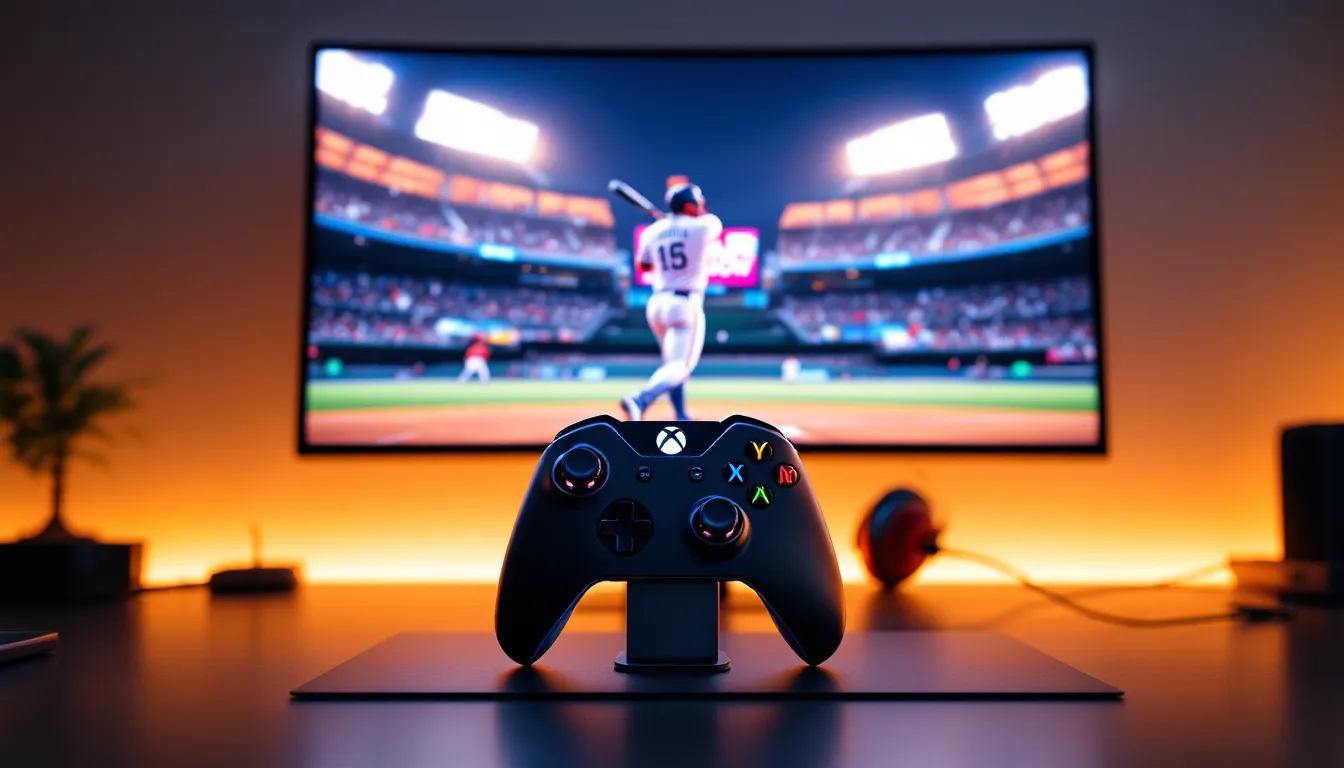

For years, Xbox players watched from the sidelines as PlayStation owners dominated the diamond in MLB The Show. That changed in 2021 when San Diego Studio finally brought the franchise to Xbox, ending a PlayStation exclusivity stranglehold that lasted over two decades. Now in 2026, MLB The Show on Xbox One is more polished, feature-rich, and competitive than ever, making it the definitive baseball experience for players across Microsoft’s console ecosystem. Whether you’re a casual gamer looking to swing some bats or a competitive player grinding Diamond Dynasty, this guide breaks down everything you need to know about playing MLB The Show on Xbox One in the current generation.
Table of Contents
ToggleKey Takeaways
- MLB The Show on Xbox One is now the definitive baseball gaming experience, offering full feature parity with PlayStation versions including cross-platform progression and competitive play.
- Road To The Show offers a rewarding single-player career mode where you progress from the minors to MLB stardom, while Diamond Dynasty provides a competitive team-building experience similar to Ultimate Team modes in other sports games.
- Competitive success in MLB The Show requires mastery of timing-based hitting, pitch recognition, and strategic pitching rather than expensive card rosters alone.
- New players should start on Rookie difficulty, complete tutorials first, and begin with Road To The Show before diving into Diamond Dynasty’s economic complexity.
- Building a competitive Diamond Dynasty squad prioritizes pitching depth over hitting flashiness, and smart card trading can generate Stubs faster than spending real money.
- Xbox One players now have equal access to the same meta, tournaments, and community as PlayStation players, eliminating the 20-year exclusivity gap that previously divided the baseball gaming community.
What Is MLB The Show and Why It Matters to Xbox Players
MLB The Show is the official Major League Baseball video game, developed by San Diego Studio and published by Sony Interactive Entertainment. Unlike other baseball games, The Show is the only officially licensed MLB title, meaning you get real teams, real players, real uniforms, and authentic stadiums. It’s the closest you’ll get to stepping into the cleats of a major league player without actually signing a contract.
For Xbox players, the arrival of MLB The Show represented a major shift in gaming equity. Before 2021, Xbox gamers had to make do with alternatives like Road to the Show or settle for older sports sims. Now, the Xbox One community has full access to the same game PlayStation owners enjoy, with cross-progression and cross-platform play available. This matters because The Show isn’t just a casual sports title, it’s a competitive esports phenomenon with millions in prize pools and a thriving online community.
The game’s appeal spans multiple skill levels. Casual players enjoy the narrative-driven single-player modes and laid-back exhibition matches. Competitive players, but, are drawn to Diamond Dynasty (the Ultimate Team equivalent) and online ranked seasons, where strategy, knowledge of player stats, and split-second timing determine winners. MLB The Show on Xbox One has leveled the playing field, allowing Microsoft console owners to participate in the same meta, tournaments, and community discourse as their PlayStation counterparts.
The Journey to Xbox: Breaking PlayStation’s Exclusive Grip
MLB The Show launched on PlayStation 2 in 2006 and remained a PlayStation exclusive for 15 years. It became synonymous with the franchise, a killer app that drove console sales and loyalty. During this era, Xbox players had no official baseball option, creating a genuine gaming gap in Microsoft’s sports portfolio alongside exclusives like God of War and The Last of Us on PlayStation.
The exclusivity deal began to crack when Sony Interactive Entertainment faced criticism from Xbox players and industry observers who argued that a federally licensed sports game shouldn’t be platform-exclusive. In March 2021, Sony announced that MLB The Show 21 would launch simultaneously on PlayStation and Xbox, marking the end of over a decade of exclusivity. This wasn’t just good news for Xbox players, it was a watershed moment for sports gaming inclusivity.
Launching on Xbox One required San Diego Studio to optimize the game for different hardware. The Xbox One versions (standard and Series X/S) needed to match or exceed the PlayStation versions in performance and features. By 2026, the technical differences between platforms are negligible. Both versions run the same seasonal updates, balance patches, and new content drops simultaneously. Cross-progression means players can log into their Diamond Dynasty team on either platform without losing progress. This unified approach has created a healthier, more inclusive baseball gaming ecosystem. Players now choose their platform based on preference, not because The Show forces them to own a specific console.
Game Modes and Features You’ll Find in the Latest Version
MLB The Show 26 (the current 2026 version on Xbox One) offers an impressive suite of game modes catering to different playstyles. Understanding each mode helps you find what keeps you engaged, whether you’re after storytelling, competitive ranking, or casual fun.
Road To The Show
Road To The Show (RTTS) is the franchise’s signature single-player career mode. You create a custom player, draft them into the minors, and work your way up to MLB stardom. This mode blends RPG progression with baseball simulation, you’ll experience spring training, playoff races, and all-star moments that matter.
In RTTS, your performance directly impacts your progression. Recording hits, stealing bases, and making stellar defensive plays earn experience points that unlock new perks and abilities. The mode tracks your full career stats, contract negotiations, and even locker room relationships. Many players find RTTS the most rewarding mode because it combines narrative structure with the satisfaction of personal growth. You’re not just grinding a team: you’re building a legacy.
Diamond Dynasty
Diamond Dynasty is MLB The Show’s answer to FIFA Ultimate Team or Madden Ultimate Team. You build a squad of players by collecting cards, earning currency through gameplay, and competing in online and offline events. The meta shifts with seasonal content drops, new card releases, stat boosts for hot-streak players, and limited-time events create constant incentive to play.
Diamond Dynasty separates casual players from grinders. Competitive players spend hours scouting the market, flipping cards for profit, and planning squad synergies. The mode’s economy is intricate: you earn Stubs (in-game currency) through gameplay, use Stubs to buy packs or individual cards, and refine your roster season-by-season. Stubs can also be purchased with real money, though the game’s free path to competitive squads is generous compared to other sports titles. The FIFA experience on.
Online Multiplayer and Competitive Play
Online multiplayer pits your squad against real players in head-to-head ranked matches. Matchmaking algorithms pair you with opponents of similar skill levels, creating competitive seasons where you climb the ladder based on win-loss records. Ranked Seasons reset monthly, giving everyone a fresh start and preventing the mode from calcifying into a pay-to-win hellscape.
Competitive play demands mastery of timing, pitch recognition, and situational awareness. Your opponent’s tendency to throw fastballs early in counts, your own ability to lay off nasty sliders out of the zone, and your pitcher’s stamina management, these micro-decisions compound into wins or losses. Tournament modes appear seasonally, offering exclusive rewards and bragging rights. Competitive players often stream their ranked runs on Twitch, and esports organizations have invested in The Show competitive circuits with legitimate prize pools.
Getting Started: Tips for New Xbox Players
If you’re new to MLB The Show on Xbox One, the learning curve can feel steep. The game assumes baseball knowledge and doesn’t always spoon-feed mechanics, so here’s how to set yourself up for success.
Start with a lower difficulty level. The Show scales from Rookie to Hall of Fame, with competitive players dominating All-Star and above. Rookie difficulty teaches you timing and pitch recognition without punishing every mistake. Once you’re comfortable, gradually increase difficulty, most players plateau around All-Star, which is respectable and still challenging.
Spend time in tutorials. The game includes comprehensive hitting and pitching tutorials that teach mechanics like PCI (Plate Coverage Indicator) placement, fastball vs. breaking ball recognition, and release-point pitching. These fundamentals apply across all modes. Skipping tutorials and jumping into ranked play guarantees losses.
Begin with Road To The Show before Diamond Dynasty. RTTS teaches you how to play without the economic pressure of managing a fantasy squad. You’ll learn ballpark layouts, develop feel for timing windows, and understand how different player attributes affect gameplay. After 20-30 hours in RTTS, you’ll be ready for Diamond Dynasty’s complexity.
Don’t panic about starting roster strength in Diamond Dynasty. New players often feel disadvantaged against opponents with loaded squads. Remember: a player’s card rating doesn’t automatically win games. A 99-overall hitter is useless if you can’t hit the opposing pitcher’s fastball. Conversely, a 75-overall diamond can produce clutch hits if the player behind the controller knows how to time pitches. Focus on improving your own skills before investing heavily in expensive cards.
Join the community. IGN’s coverage of baseball where you can ask questions without judgment. The subreddit r/MLBTheShow is exceptionally helpful, veterans regularly answer questions and post tips for new players. Gaming communities thrive on inclusive onboarding.
Use your Xbox Game Pass. If you’re subscribed to Game Pass, you may already have access to MLB The Show at no additional cost (availability varies by subscription tier and region). Check your Game Pass library before purchasing.
Building Your Competitive Squad and Team Strategy
Once you’ve mastered the fundamentals, Diamond Dynasty squad-building becomes your next obsession. Building a competitive team isn’t just about acquiring expensive players, it’s about creating synergies and matchup advantages.
Understand your budget. Most new players start with 50-75k Stubs from login bonuses and initial gameplay rewards. This buys a respectable bronze-to-silver squad, not a stacked all-99 roster. The meta-competitive teams cost 300k-500k Stubs or more, but reaching Pennant Race (top competitive tier) is possible with 150k-200k in well-built rosters. Patience and smart spending beat impulsive pack-ripping every time.
Prioritize pitching depth over hitting flashiness. Bad hitters still get hits on good pitches: bad pitchers get shelled regardless of your hitting lineup. Your pitching rotation determines win-loss records more than your lineup does. Invest in a starting rotation of four solid arms and two reliable relievers before splurging on a stacked lineup.
Flip cards for profit. The Diamond Dynasty market rewards informed trading. Buy cards when demand is low (post-new-content release when everyone spends Stubs on packs), resell when demand spikes. A single profitable flip, buying a card for 3k and selling for 4.5k across 50 cards, nets 75k profit in minutes. This passive income accelerates your path to elite squads without spending real money.
Build for your playstyle. If you excel at hitting homers, stack power hitters. If you’re a contact hitter who slaps singles and doubles, prioritize speed and contact rating. If you’re an online player, chase cards with high hitting ratings in the META (ability to hit against the specific meta-strategy) against your region’s most-used pitchers. Competitive players study pitcher popularity and build lineups accordingly.
Stay updated on roster updates and balancing patches. Game Informer’s coverage of. Each Friday, San Diego Studio releases roster updates adjusting player ratings based on real-world performance. A player going through a hot streak gets a diamond upgrade, immediately increasing card value and playability. Staying informed about these updates lets you buy underrated cards before their value spikes.
Advanced Gameplay Mechanics and Controls
Mastering hitting and pitching separates competitive players from casual ones. These aren’t intuitive mechanics, they require practice and precision.
Batting and Pitching Fundamentals
Hitting timing is everything. The Show uses a PCI (Plate Coverage Indicator), a circle overlaid on home plate, that you control to place your bat where the pitch is thrown. Timing windows vary by difficulty: Rookie forgives late swings within a 2-3 frame window, while Hall of Fame punishes swings outside a razor-thin frame. Perfect timing (green feedback) launches the ball: good timing (yellow) produces solid contact: okay timing (blue) yields weak contact or groundouts.
Practice against fast-ball-only pitchers first, then introduce breaking balls. Learn to identify a fastball’s spin before committing to your swing. Once you can time fastballs consistently, breaking balls become exploitable because they telegraph their movement. Competitive players develop pattern recognition, they anticipate pitch sequencing based on count, pitcher tendency, and game situation.
Pitching control requires thumb precision. The Show uses meter-based pitching where you tap the button to start the pitch, reach the optimal release point (second tap), and confirm (third input). Mistiming any of these three inputs results in wild pitches, home runs, or poor movement. Some players use pure analog, controlling pitch movement with the right stick, this offers superior control but requires significant practice.
The meta-pitcher exploits user tendencies. If you consistently throw fastballs on 0-2 counts, opponents sit fastball. If you’re predictable with breaking balls, opponents lay off early. Unpredictable pitching, mixing speeds, changing location, and upsetting timing, keeps hitters off balance. Competitive pitchers feel almost like chess matches: one player commits to a specific pitch placement, the other reads it and reacts.
Fielding and Defensive Positioning
Fielding is often overlooked by new players but absolutely critical in close games. You directly control fielders when the ball is in play, or you can use auto-fielding (less precise but reliable). Manual fielding demands positioning and timing, catching requires you to position under the ball and time your catch button press: throwing requires you to aim and consider base running.
Advanced fielders adjust fielding positions based on batter tendencies and pitcher strengths. A left-handed hitter prone to pulling is defended with shifted infielders. A pitcher with weak velocity needs outfielders playing shallow. The Xbox One ecosystem to ensure smooth performance during competitive sessions.
Dive catches and jumping throws add animation spectacle and critical defensive success. Positioning your fielder correctly before the play lands determines whether you make the catch or miss entirely. Defensive mistakes compound, an error scores runs, affecting momentum and outcome. This is why competitive players practice fielding drills obsessively.
Comparing MLB The Show on Xbox One vs. PlayStation
By 2026, the experience of playing MLB The Show on Xbox One versus PlayStation is essentially identical, but nuances exist worth understanding.
Performance, Graphics, and Cross-Platform Considerations
Frame rates and resolution are equivalent across platforms. Both Xbox One S and PlayStation 4 run the game at 1080p/60fps: both Xbox Series X/S and PlayStation 5 hit 4K/60fps with optional performance mode for 1440p/120fps. Loading times are nearly identical thanks to both using standard SSDs. If you’re playing on original Xbox One hardware (discontinued in 2016), performance is still solid but slightly behind PS4 in edge-case scenarios.
Graphics fidelity is virtually identical. Player models, stadium detail, crowd animations, and lighting effects are identical between platforms. San Diego Studio uses the same assets, not platform-specific versions. The game looks crisp on modern 4K displays and supports ray-tracing on next-gen hardware, creating realistic reflections and shadows.
Cross-platform progression is the real game-changer. Link your accounts and play the same Diamond Dynasty squad on both platforms. Your Stubs, cards, and team carry over seamlessly. This flexibility lets you play on whichever console your friends prefer for that session, a feature absent from many other sports titles.
Exclusive cosmetics don’t exist. No Xbox-exclusive skins or PlayStation-exclusive content divides the community. This equality reinforces why Xbox’s inclusion in The Show matters: you’re not a second-class citizen playing the “Xbox version”, you’re playing the exact same game.
Competitive integrity is maintained. Ranked play matchmaking doesn’t segregate by platform. An Xbox player ranked Diamond faces PlayStation players of identical skill. This cross-platform competitive environment produces a healthier meta because the entire player base influences the competitive landscape.
The one practical consideration: if you’re choosing between consoles partly based on baseball gaming, there’s no longer a legitimate reason to choose PlayStation over Xbox. Xbox One on Amazon, though the game itself performs identically. Your choice hinges on other exclusives and ecosystem preferences.
Conclusion
MLB The Show on Xbox One has matured into a complete, competitive baseball experience that removes the last excuse for Xbox players to feel excluded from major-league gaming. Whether you’re grinding Diamond Dynasty’s competitive ranks, building a legacy in Road To The Show, or casually playing exhibition matches with friends, the game delivers on its promise to authentically represent professional baseball.
The franchise’s journey to Xbox wasn’t just about fairness, it elevated the entire community. Cross-platform play, unified seasonal content, and equal treatment of all players regardless of console choice have created a more vibrant, inclusive baseball gaming ecosystem than existed during the PlayStation-exclusive era.
Start with lower difficulties, spend time in tutorials, and let your skill improve naturally. Once you’ve built that foundation, Diamond Dynasty’s complexity becomes engaging rather than overwhelming. The meta evolves each season with new cards and balance patches, meaning there’s always something fresh to chase.
If you’ve been waiting for permission to pick up a baseball game on Xbox, 2026 is the year. The Show isn’t niche anymore, it’s the definitive baseball experience, and it’s finally yours.