
When Microsoft launched the Xbox One X Scorpio Edition in 2017, it reset the bar for what a console could achieve. This wasn’t just another revision, it was a statement. The Scorpio Edition represented the company’s bet that raw power, when paired with intelligent design, could deliver a gaming experience that stood apart from everything else on the market. Even in 2026, nearly a decade later, the Xbox One X Scorpio Edition remains one of the most talked-about pieces of hardware in gaming history. Whether you’re a competitive player chasing frame rates, a casual gamer hunting 4K visuals, or a collector who appreciates engineering excellence, understanding what made this console special matters. This guide breaks down everything: the specs that made it legendary, the exclusive features that justified its premium pricing, and whether hunting down one in today’s market is actually worth your time and money.
Table of Contents
ToggleKey Takeaways
- The Xbox One X Scorpio Edition delivered 6 teraflops of GPU power and native 4K gaming capability, representing a 40% performance jump over standard Xbox One models and establishing mid-generation console refreshes as commercially viable.
- Backward compatibility is the Scorpio Edition’s standout feature, allowing Xbox 360, original Xbox, and Xbox One titles to run with improved frame rates and faster load times without requiring re-optimization.
- In 2026, refurbished Scorpio Edition units cost $200–$280 on the secondhand market and remain a solid value for casual gamers seeking 4K presentation, though current Xbox Series X|S hardware is more future-proof for new releases.
- The console’s custom vapor chamber cooling system and internal power supply represented meaningful engineering improvements in design and durability compared to earlier Xbox One iterations.
- While the Scorpio Edition historically supported 4K at 30 FPS for most games, true 4K at 60 FPS was rare, and modern AAA titles no longer receive Scorpio-specific optimization nine years after launch.
What Is The Xbox One X Scorpio Edition?
Design And Build Quality
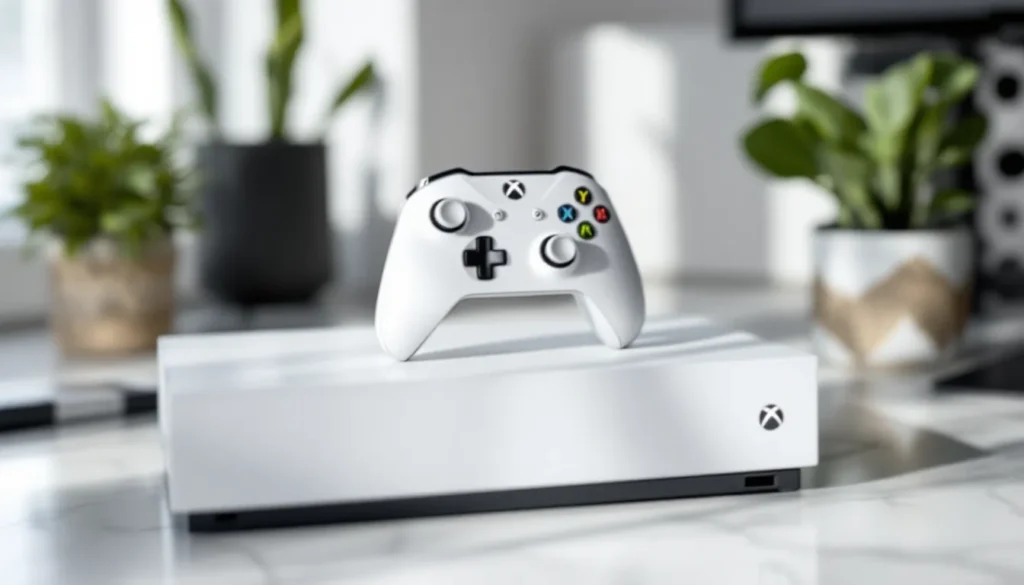
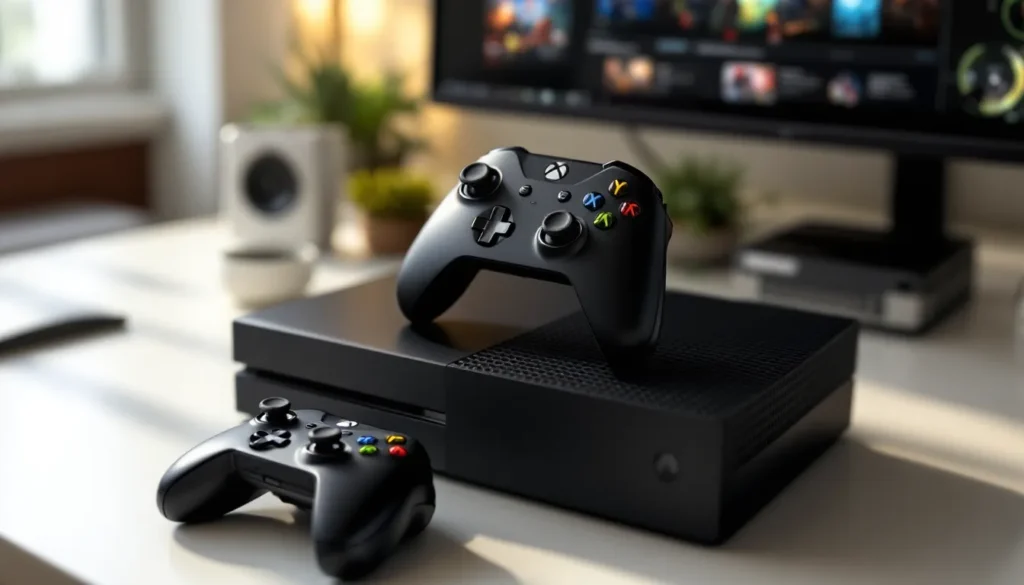
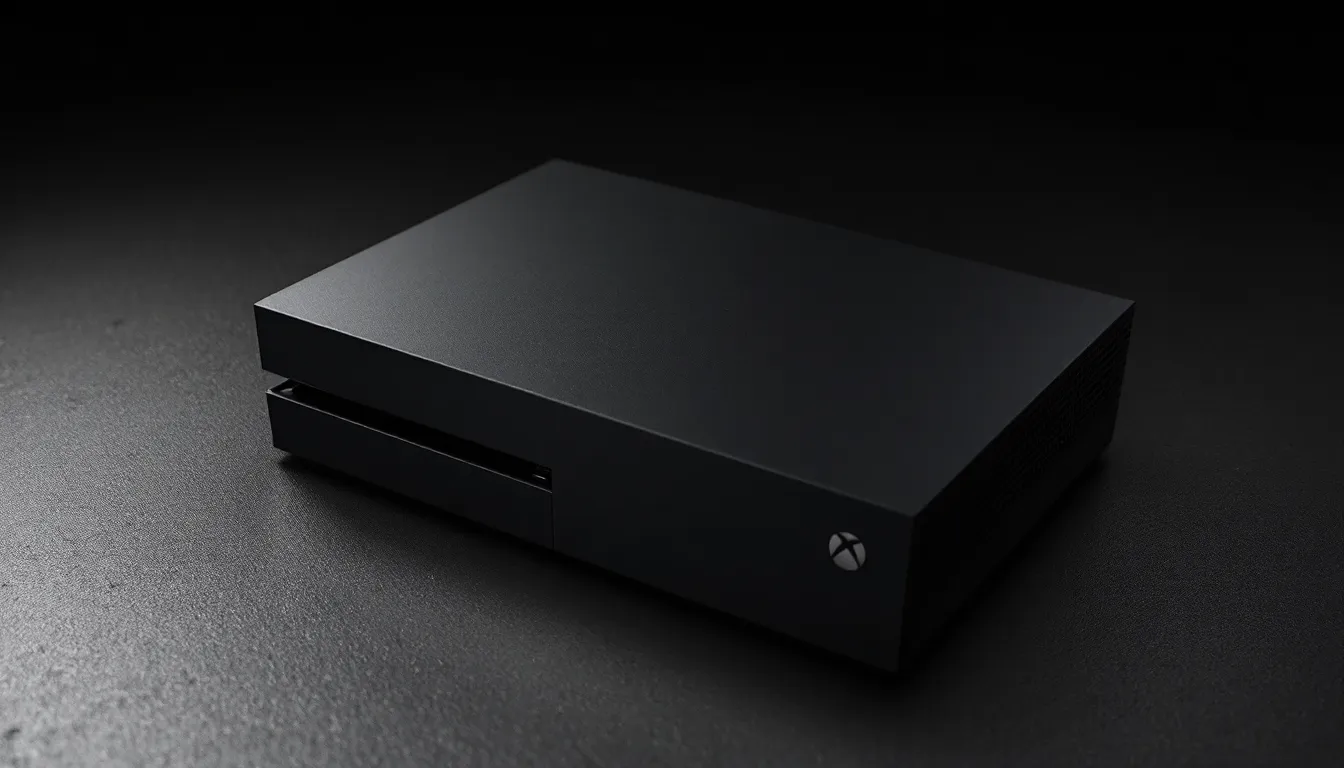
The Xbox One X Scorpio Edition wasn’t just a specification bump, it was a complete reimagining of console hardware in a compact form factor. Unlike previous Xbox generations, Microsoft made the deliberate choice to keep the footprint smaller while packing in significantly more power. The matte black finish with custom Scorpio branding gave it a premium feel that separated it visually from standard Xbox One models.
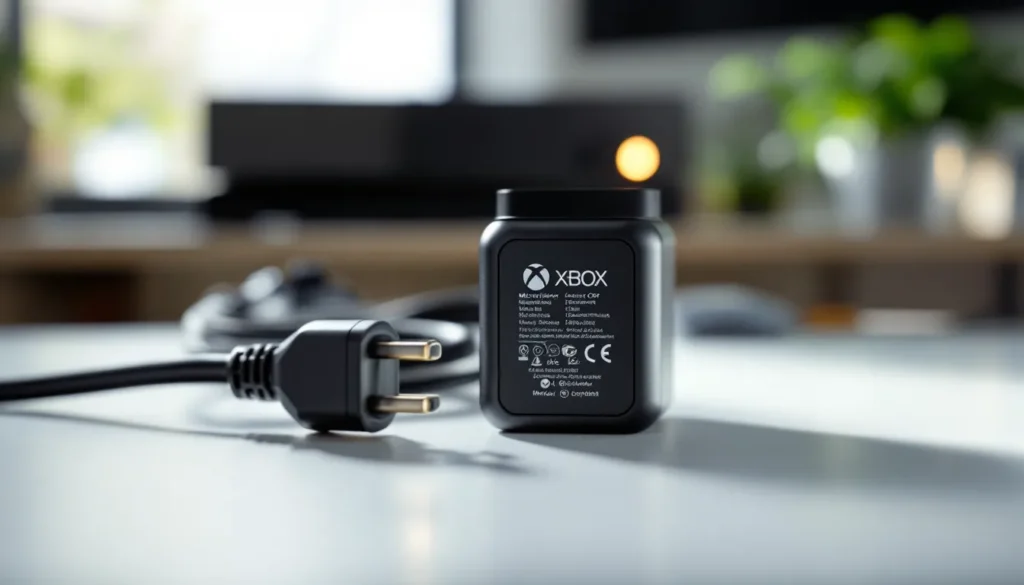
The design prioritized cooling and durability. The internal architecture featured a custom vapor chamber system, not just standard thermal paste, to handle sustained heat dissipation during extended gaming sessions. The power supply was internal (finally), eliminating the bulky external brick that plagued earlier Xbox One versions. Build quality was noticeably better than its predecessors, reviewers at major outlets like IGN noted the console felt substantial and well-engineered out of the box.
Physically, it measured 151 x 227 x 110 mm, making it significantly smaller than the original Xbox One even though containing more powerful hardware. That compact footprint was genuinely impressive engineering. The controller included with the Scorpio Edition featured the same layout as standard Xbox controllers, but with refined ergonomics that felt better during marathon sessions.
Historical Significance In Console Gaming
The Xbox One X Scorpio Edition arrived at a critical moment in console history. By 2017, the PS4 Pro had already established that mid-generation refreshes were commercially viable. But Microsoft’s approach was different, more aggressive on specs, more forward-thinking on architecture. The Scorpio Edition became the first console to fully commit to 4K gaming at launch, three years into the current generation’s lifecycle.
What made it historically significant wasn’t just power for power’s sake. This console proved that upgrading mid-generation could work, that players would pay premium prices for genuine performance improvements, and that backward compatibility with existing libraries could actually enhance a refresh’s value rather than diminish it. It changed how manufacturers thought about console longevity.
In retrospect, the Scorpio Edition accelerated the industry’s shift toward console refreshes and faster upgrade cycles. The PS5 and Xbox Series X
|
S would eventually follow this playbook. By 2026, looking back at the Scorpio Edition feels like examining a console that predicted where the industry was heading.
Technical Specifications And Performance
Processing Power And Graphics Capabilities
The Xbox One X Scorpio Edition shipped with a custom 8-core AMD processor clocked at 2.3 GHz, paired with a Radeon GPU featuring 40 compute units running at 220 MHz. On paper, that’s a 40% performance jump over the standard Xbox One’s GPU. In practice, it meant developers could finally build games that didn’t have to compromise on graphical fidelity at higher resolutions.
The GPU was capable of delivering up to 6 teraflops of raw processing power. For context, that was roughly 1.5x the GPU performance of PS4 Pro and vastly superior to the base Xbox One’s 1.3 teraflops. This extra headroom allowed for significantly higher draw distances, denser environments, and more aggressive anti-aliasing without tanking frame rates.
What differentiated the Scorpio Edition from competitors was how efficiently it could handle workloads. The memory architecture, 10 GB of GDDR5 versus the PS4 Pro’s 8 GB split configuration, gave developers more flexibility in how they allocated resources. Games like Halo 5, Fallout 4, and The Witcher 3: Wild Hunt demonstrated immediate improvements in visual quality and consistency on Scorpio hardware.
Storage And Memory
The Xbox One X Scorpio Edition shipped exclusively with a 1 TB solid-state hybrid drive (SSHD), though later units included options for 2 TB drives. This was a mixed bag, while the SSHD offered faster load times compared to traditional mechanical drives, it wasn’t true SSD performance like you’d get from later generations. Load times still measured in seconds, not the sub-second speeds of PS5 or Xbox Series X hardware.
Memory configuration was straightforward: 12 GB of GDDR5 RAM split into 9 GB for games and 3 GB reserved for the OS. The PS4 Pro’s 8 GB split between DDR3 and GDDR5 made optimization more complex, giving the Scorpio Edition an architectural advantage. Developers working on demanding titles appreciated having a larger unified pool to work with.
For players, the practical takeaway was simple: you’d install games locally (most titles required 40-100 GB), manage your storage carefully, and understand that backwards-compatible Xbox 360 titles would run better on Scorpio hardware but took up roughly the same drive space as original Xbox One versions.
4K Gaming And Frame Rate Performance
The Scorpio Edition’s primary pitch was 4K gaming, and it largely delivered, though with caveats. True 4K at 60 FPS was rare. Most games targeted 4K at 30 FPS, sometimes using dynamic resolution scaling to maintain frame rate consistency. Dynamic resolution meant the internal render resolution would fluctuate (usually between 1800p and 2160p) to keep frame rates steady during demanding scenes.
Titles like Gears 5 (enhanced post-launch) and Halo: The Master Chief Collection demonstrated what committed optimization looked like: 4K at 60 FPS on older games, higher visual settings on newer titles without sacrificing resolution entirely. Red Dead Redemption 2 ran at 4K but capped at 30 FPS, a tradeoff many players accepted given the visual fidelity involved.
Framing expectations correctly matters: the Scorpio Edition wasn’t a constant 4K/60 machine. It was a 4K-capable console that enabled 4K presentation for the majority of titles, with frame rate depending on developer optimization and game complexity. For competitive shooters like Apex Legends or Fortnite, players could opt for performance modes that dropped to 1080p or 1440p in exchange for 60+ FPS. The flexibility existed, even if the default remained visual fidelity over raw frame rate.
Exclusive Features Of The Scorpio Edition
Limited Edition Cosmetics And Branding
The Scorpio Edition wasn’t just faster, it looked different. The console featured exclusive dark metal gray casing (technically a very dark charcoal finish) with the “Scorpio” name emblazoned on the front in white lettering. The power button had a subtle Scorpio logo. These weren’t huge visual changes, but they signaled exclusivity to anyone who recognized them.
Microsoft produced the Scorpio Edition in limited quantities during its initial launch window (November 2017). Scarcity drove demand and collectibility. By 2026, finding an original Scorpio Edition box in good condition can command premiums on the secondhand market, not as extreme as original console variants, but noticeable. Collectors appreciate the distinct branding and the fact that you can’t just rebrand a standard Xbox One X to look like Scorpio hardware.
The controller included with Scorpio units during launch was also subtly different: slightly enhanced d-pad responsiveness and refined trigger feedback compared to earlier Xbox One controllers. For casual players, the difference was negligible. For competitive gamers testing equipment, the Scorpio controller became slightly more sought-after on the secondhand market.
Bundled Content And Accessories
The Scorpio Edition launched with Playerunknown’s Battlegrounds (PUBG) included in many regions, recognizing that battle royales were exploding in popularity at the time. This bundled title held real value in 2017, PUBG was THE game everyone wanted, and getting a free copy sweetened the package.
Early Scorpio units also included Game Pass trials and Xbox Live Gold trials extended beyond standard console bundles. Microsoft was pushing service adoption, and Scorpio Edition buyers got sweeter initial offers to reinforce the premium positioning. A 3-month Game Pass trial versus the standard 1-month made a tangible difference in perceived value.
Accessory bundles varied by retailer, but premium packs often included extra controllers, stereo headsets, and occasionally charging docks. The messaging was clear: if you’re spending premium money on Scorpio Edition hardware, we’re throwing in extra accessories to make the experience complete from day one.
Game Library And Performance Comparison
Enhanced Games For Xbox One X
Microsoft published an “Enhanced for Xbox One X” library, eventually reaching hundreds of titles. These weren’t remasters, they were existing games optimized specifically to take advantage of Scorpio’s extra GPU and CPU grunt. Halo 5: Guardians, Gears of War 4, Forza Motorsport 7, these franchises saw dramatic visual improvements without forcing players to repurchase.
Take The Witcher 3: Wild Hunt as a concrete example. The original released in 2015 for Xbox One at 900p/30 FPS with significant visual compromises. The Scorpio Enhancement patch delivered 4K/30 FPS with nearly maxed-out PC settings, improved draw distances, higher resolution textures, better foliage detail. The difference was not subtle. Players who owned the game already could download the patch for free.
Fallout 4 received similar treatment: bumped to 4K (with dynamic scaling), improved draw distances, enhanced shadow quality, and faster load times thanks to the better storage subsystem. These enhancements proved that mid-generation hardware refreshes could meaningfully extend a game’s lifespan without requiring a full remake.
The enhanced library served multiple purposes: it justified Scorpio’s premium pricing to existing owners of older games, demonstrated the power gap to PlayStation players, and reassured early adopters that their library would benefit from the upgrade. By 2026, exclusive Xbox Games have evolved significantly, but that 2017-2020 period of aggressive Xbox One X optimization remains impressive in retrospect.
How It Compares To Standard Xbox One Models
Let’s establish the hierarchy. The standard Xbox One from 2013 shipped with a weaker GPU (1.3 teraflops) and CPU, capped out at 1080p/30 FPS for most titles, and struggled with texture quality and draw distances. By 2016, the Xbox One S arrived, the same performance but support for HDR and 4K video playback (upscaled, not native 4K gaming). The Scorpio Edition represented a generational leap beyond both.
Performance gap comparison:
- Standard Xbox One: 1.3 teraflops GPU, 1080p target
- Xbox One S: 1.4 teraflops GPU, 1080p/1440p with HDR
- Xbox One X Scorpio: 6 teraflops GPU, true 4K capable
In practice, this meant that demanding AAA titles on base Xbox One would hit frame rate dips during intense scenes, whereas Scorpio Edition ran the same games significantly smoother and at much higher resolution. The refurbished Xbox One X market exists partly because players want that performance gap, the difference between 1080p/30 FPS and 4K/30 FPS (or higher frame rates at 1440p) was genuinely noticeable on modern TVs.
Against PS4 Pro (the closest competitor), Scorpio Edition’s advantages were GPU power and memory architecture. PS4 Pro’s fragmented memory approach (8 GB split between DDR3 and GDDR5) made it harder for developers to optimize for 4K, while Scorpio’s unified 10 GB pool was friendlier. Real-world performance usually favored Scorpio by a modest but consistent margin, higher frame rates or better frame stability at the same visual settings.
Backward Compatibility And Legacy Support
The Xbox One X Scorpio Edition’s hidden superpower was backward compatibility. The console could run every game from the original Xbox One library, Xbox 360 titles, and even some original Xbox games. This wasn’t emulation theater, performance genuinely improved across the board.
Xbox 360 games ran significantly faster on Scorpio hardware. Draw times decreased, frame rates stabilized, and in cases like Halo 3 or Gears of War, the experience felt legitimately enhanced even though no optimization work from developers. It’s a testament to how much raw horsepower the Scorpio Edition packed that 15-year-old games could suddenly look less janky just from running on better hardware.
Xbox One games without specific Scorpio enhancements still benefited. Titles got faster load times thanks to the SSHD, smoother frame rates from the extra GPU headroom, and better sustained performance during intense scenes. It wasn’t as dramatic as playing a game that received explicit optimization, but it was real.
Microsoft continued adding titles to the “optimized for Xbox One X” list through 2020, long after the console’s peak relevance. This commitment to enhancement extended the Scorpio Edition’s window of appeal. Someone could buy the console in 2019 and still get meaningful improvements on newly enhanced games throughout 2019-2020. That’s longer value extraction than most hardware refreshes achieve.
One caveat: backward compatibility doesn’t mean every old game is perfectly polished. Some 360 titles have minor emulation quirks. The Xbox One S Hard Drive limitations don’t apply to Scorpio’s storage, but they reflect the era’s compromises, worth noting when evaluating the overall experience.
Pricing, Availability, And Market Position
The Xbox One X Scorpio Edition launched at $499 in November 2017, a premium $100 above the standard Xbox One S ($399). For context, that was pricing aggressive enough to make headlines. The PS4 Pro launched at $399 two years prior, which made some critics question whether Scorpio Edition’s $499 tag was justified.
Market positioning was deliberate: Microsoft positioned Scorpio as the console for players who had already committed to the platform and wanted to upgrade. They weren’t trying to convert PS4 players at that price, they were extracting value from the existing base who wanted better performance without waiting for a new generation. That strategy worked well enough, though Scorpio Edition never outsold PS4 Pro in any year during the current generation.
Availability remained solid throughout 2017-2020. Microsoft manufactured sufficient supply that shortages weren’t an endemic problem (unlike the PS5 launch shortage of 2020-2021). By 2022, as the Xbox Series X
|
S generation matured, Scorpio Edition stock dwindled and then dried up. New retail units became nearly impossible to find. The console officially went out of production, though refurbished units trickled through Microsoft’s official channels for another year.
Secondhand pricing in 2026 typically ranges from $200-350 depending on condition, bundle, and included accessories. Original units in great condition with original packaging command higher premiums. Refurbished certified units are cheaper but come with Microsoft’s warranty backing. The refurbished Xbox One market expanded significantly as newer players sought budget entry points into Xbox gaming.
Is The Xbox One X Scorpio Edition Worth Buying In 2026?
Best For Competitive And Casual Gamers
For competitive players in 2026, the Scorpio Edition is niche. Modern esports titles (Valorant, CS:GO, Apex Legends) run fine on Scorpio hardware, but they also run on significantly cheaper current-generation consoles with smoother frame rates and better frame consistency. If you’re grinding ranked in a competitive FPS and need sub-100ms latency, the Scorpio Edition handles it, but dedicated competitive players would be better served by Xbox Series X
|
S hardware that offers more consistent frame rate targets.
For casual gamers, the Scorpio Edition represents a good value proposition if found at the right price. If you’re hunting discounted Xbox games, want 4K presentation for single-player campaigns, and aren’t interested in the latest AAA releases, a refurbished Scorpio at $200-250 is solid hardware that’ll handle that workload competently. Game Pass compatibility means your library grows without console ownership limiting you, and that’s genuinely powerful.
The real consideration: by 2026, you’re buying a console that’s nearly a decade old. Games no longer receive Scorpio-specific optimization. You’re getting the base level of hardware performance with no special tuning. Modern AAA releases like Starfield or Forza Motorsport will either not exist on Scorpio (in the case of new Microsoft titles), or will be severely compromised (third-party ports from other platforms). Game Pass will increasingly favor Series X
|
S, though backward compatibility pledges from Microsoft suggest older titles should persist.
Finding And Purchasing Used Or Refurbished Units
If you decide the Scorpio Edition makes sense for your use case, sourcing one requires patience. Retail stock effectively ended in 2022. Your realistic options break down as follows:
eBay: Xbox One on eBay remains a viable hunting ground. Individual sellers list used Scorpio units frequently. Prices vary wildly, condition, bundle contents, and seller reputation all factor in. Expect $250-400 for solid condition units. Always check seller feedback and request detailed photos focusing on cosmetic condition and the power button functionality (a common failure point on older Xbox One consoles). Shipping costs add $15-30 depending on your location.
Amazon: Marketplace sellers on Xbox One on Amazon also carry used and refurbished Scorpio units, though selection is smaller than eBay. The advantage is Amazon’s buyer protection and more consistent seller vetting. Used prices track similarly to eBay ($250-350 range for good condition), but refurbished units certified by Microsoft resellers can sometimes be found in the $220-280 range.
Facebook Marketplace and Local: Local purchases eliminate shipping and let you test the console before buying. You can verify power-on, check for controller issues, and confirm all components are present. Prices might be slightly lower ($200-300) because there’s no marketplace fee, though you’re trusting your ability to assess hardware condition visually.
Microsoft Refurbished: Microsoft’s official store occasionally restocks refurbished Scorpio Edition units, though availability is sporadic. These come with full warranty, have been tested by Microsoft, and typically cost $200-240. This is the safest option if you can catch stock, though checking requires patience, they sell out quickly.
Red flags when buying used: controllers that don’t respond consistently, power button that requires pressing multiple times to turn on, any visible water damage or odd discoloration inside vents, and missing original power supply (third-party power supplies can damage the system). A working controller and original power supply matter, buying used controllers online adds $40-60 and sourcing original power supplies is harder than it should be.
Conclusion
The Xbox One X Scorpio Edition remains one of gaming’s most underrated achievements. It proved that mid-generation hardware refreshes could deliver genuine value, that 4K gaming was achievable on consumer hardware, and that backward compatibility could be a serious selling point instead of a marketing afterthought. In 2017, it was a bold statement. In 2026, it’s a fascinating historical artifact and a legitimately functional device for specific use cases.
Should you buy one today? If you want 4K presentation for older games, value backward compatibility, and don’t mind hardware that’s nearing the end of practical support, the Scorpio Edition remains functional. Prices have settled into reasonable territory for secondhand units, and the built-in Game Pass integration still works. But if you’re looking for cutting-edge performance or planning to play upcoming AAA releases, current-generation Xbox Series X
|
S hardware is the more future-proof choice.
The Scorpio Edition’s legacy isn’t about being the most powerful console or lasting the longest. It’s about proving that thoughtful hardware design, transparent positioning, and meaningful optimization could create something special. That lesson mattered to the industry. The Xbox Series X
|
S would eventually perfect that approach. For now, the Scorpio Edition stands as a powerful reminder of what’s possible when manufacturers prioritize actual gaming performance over hype.