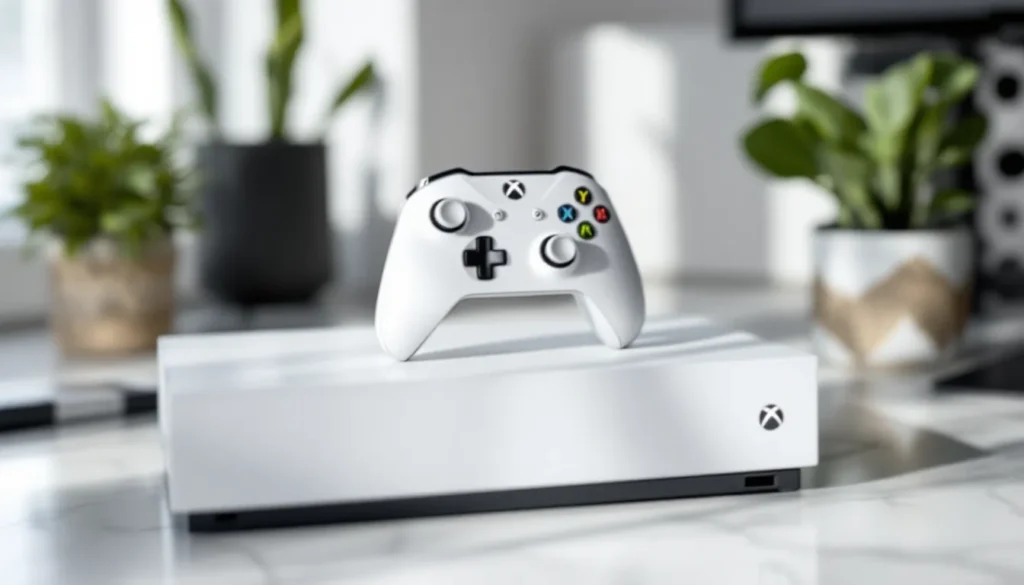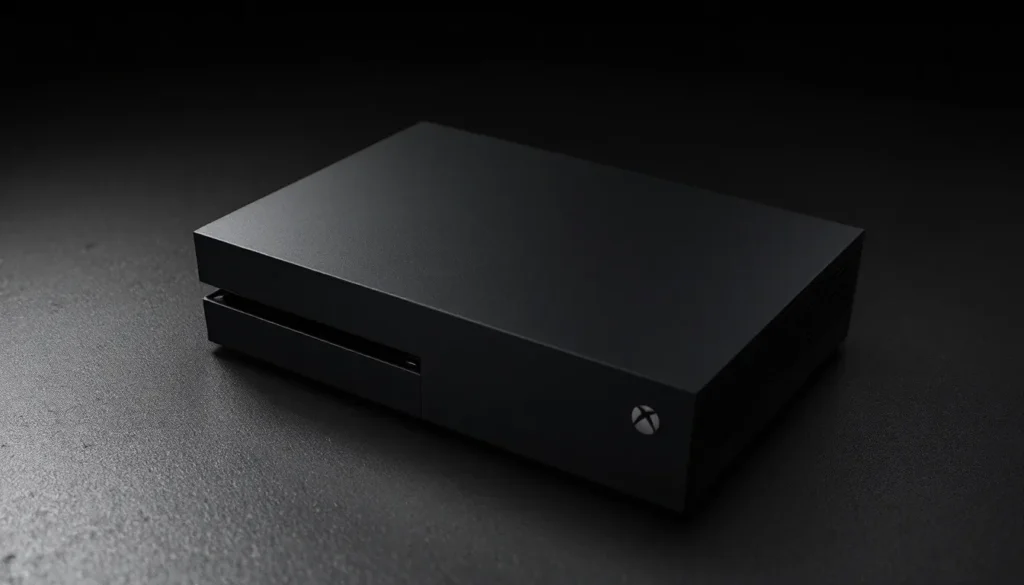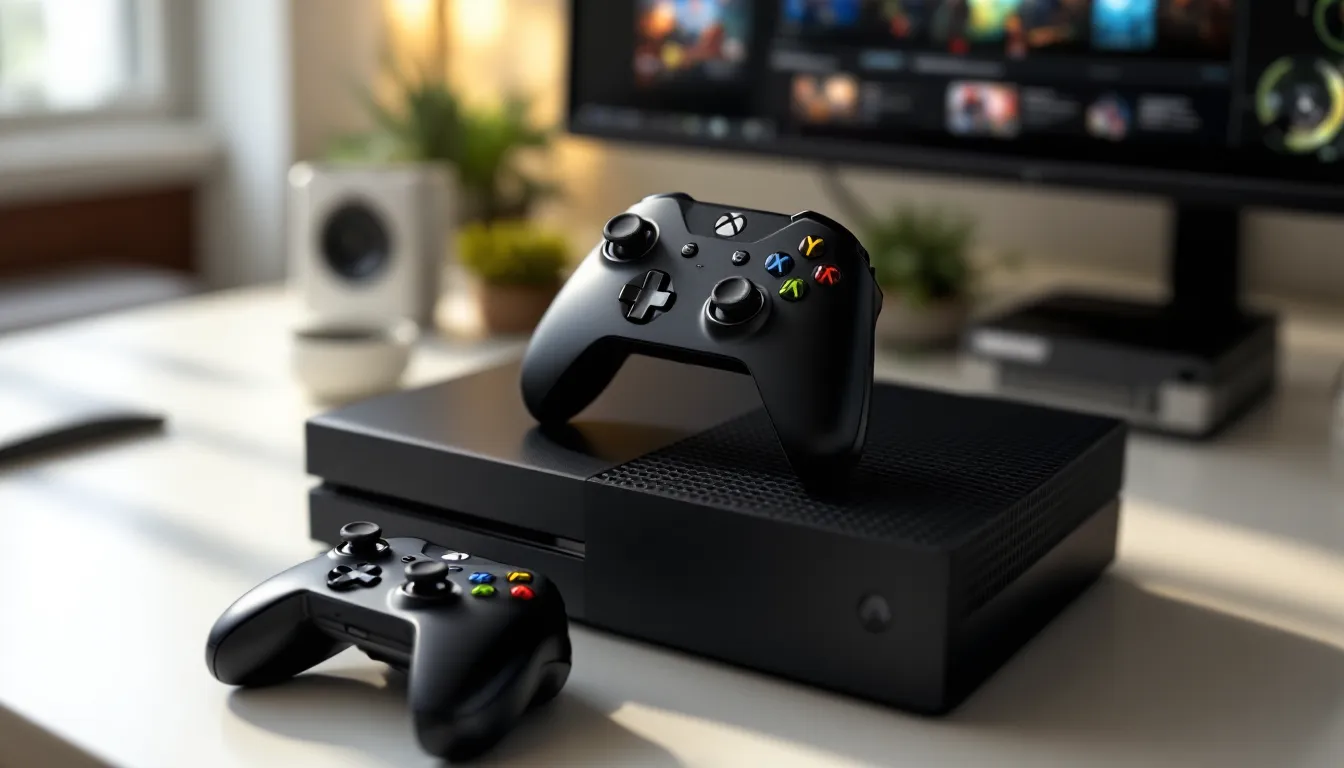

The Xbox One Model 1540 sits in an interesting spot in 2026. It’s not the latest hardware, but it remains a legitimate entry point into console gaming for players who don’t need bleeding-edge graphics or the raw power of the Series X
|
S. Whether you’re curious about its specs, wondering if it’s worth picking up used, or trying to squeeze the most out of one you already own, there’s a lot to unpack. This guide covers everything from hardware breakdown to troubleshooting, compatibility, and when an upgrade actually makes sense.
Table of Contents
ToggleKey Takeaways
- The Xbox One Model 1540 remains a viable budget gaming option for casual players, offering solid backward compatibility and Game Pass access despite its 2016 hardware foundation.
- Performance on the Xbox One Model 1540 maxes out at 1080p–1440p gaming with 30–60fps depending on the title, making it suitable for single-player campaigns but less ideal for competitive multiplayer.
- Proper ventilation, regular dust cleaning, system updates, and cache clearing are essential maintenance tasks that can extend the Model 1540’s lifespan to 5–7 years.
- A used Xbox One Model 1540 ($80–150) is only recommended for supplementary consoles or tight budgets; the Xbox Series S ($299) offers significantly better performance and future-proofing for serious gamers.
- The Model 1540’s mechanical hard drive causes noticeably longer loading times compared to the Series X|S SSD, and developer support for the aging console will continue to diminish through 2026 and beyond.
What Is the Xbox One Model 1540?
Release Date and Version Overview
The Xbox One Model 1540 hit shelves in 2016 as part of Microsoft’s mid-generation refresh push. It represents the S revision of the original Xbox One, introducing a slimmer form factor and modest performance improvements over the launch Day One Edition. This wasn’t a complete redesign, more like a polished iteration that addressed some of the original hardware’s shortcomings.
The timing was strategic. At that point, competitors had already released their upgraded hardware (the PS4 Pro was looming), so Microsoft needed to make the 1540 feel like a legitimate upgrade without cannibalizing sales of the full-generation refresh that would come later. For players jumping in during this era, it offered better build quality and reliability improvements compared to the launch console.
Key Hardware Differences from Other Xbox One Models
The Model 1540 sits between the original Xbox One and the Xbox One X. Think of it as the middle child, not as powerful as the X, but significantly more refined than the Day One Edition.
Compared to the original Xbox One:
- 40% smaller form factor (meaningful for TV stand placement)
- Improved thermal management (fewer fan noise complaints)
- Support for 4K video upscaling (though not native 4K gaming)
- Updated controller with Bluetooth support
- Same base specifications: 8GB RAM, 500GB or 1TB storage variants
Compared to the Xbox One X:
- The 1540 maxes out at 1080p-1440p gaming: the X hits true 4K
- Less powerful GPU (12 TFLOPS vs. 6 TFLOPS)
- Smaller hard drive options
- Significantly cheaper entry point
If you’re considering Xbox One on Amazon, the Model 1540 represents solid value for casual gamers or those building a second console for a living room setup.
Hardware Specifications and Performance
Processor, Graphics, and Memory Details
Under the hood, the Model 1540 runs an 8-core AMD processor clocked at 1.75 GHz paired with a GPU capable of 1.31 TFLOPS. It’s not a beast by 2026 standards, but it’s more than adequate for most titles in the Xbox One library.
Memory setup is straightforward: 8GB of GDDR5 RAM shared between system and gaming functions. This is the same pool used for everything, OS overhead, game assets, and active gameplay. It’s tight by modern standards, which is why newer AAA titles sometimes require aggressive texture streaming or have specific installation sizes.
The processor is the real bottleneck in this setup. It’s a decade old at this point, and you’ll notice it in CPU-intensive games or when running multiple background apps. Frame pacing can suffer, especially in competitive shooters where input lag matters.
Storage Options and Expandability
The Model 1540 shipped in two main flavors:
- 500GB standard edition
- 1TB option (more common)
Both use 5400 RPM mechanical hard drives, not SSDs. This matters more than you’d think. Loading times are noticeably slower than the Series X
|
S, and certain games with heavy streaming (looking at you, heavily modded titles) can stutter during level transitions.
Expansion? You’re limited to external USB storage. Microsoft’s proprietary Seagate expansion drive was the official route, but compatibility with standard external drives has improved over time. Expect to pay a premium for the licensed option, refurbished Xbox One S setups often come with verified storage solutions already configured, worth considering if you’re expanding an older unit.
Cooling and Design Improvements
The Model 1540’s physical redesign addressed one of the original console’s biggest complaints: thermals. The slimmer body actually features improved internal airflow and larger heatsinks compared to the launch hardware.
In real-world use, the 1540 runs noticeably cooler and quieter. The fan ramps up during intensive gaming, but rarely reaches the jet-engine levels of the original Day One Edition. Proper ventilation still matters, don’t block the rear exhaust vent, but it’s more forgiving than its predecessor.
The design itself is less imposing on entertainment centers. It’s thinner and sits flat without the original’s brick-like footprint. Cable management is slightly improved, with inputs positioned for easier access.
Connectivity and Network Features
Built-In WiFi and Ethernet Capabilities
The Model 1540 includes 802.11ac WiFi (dual-band support for 2.4GHz and 5GHz networks). For 2016-era hardware, this was solid. By 2026 standards, it’s adequate but not future-proof. WiFi 6 has become mainstream in routers, and the 1540 won’t take advantage of those speed improvements.
For multiplayer gaming, WiFi is acceptable if your router is close by or positioned well. But, wired ethernet is strongly recommended for competitive play. The console has a standard 10/100 ethernet port (not gigabit), which is a limiting factor if you have high-speed internet. For streaming-focused gameplay or fighting games where latency matters, that ethernet connection is non-negotiable.
Network performance is otherwise solid. Connection speeds are good, and the console handles downloads efficiently. Game updates run in the background without crippling system performance, unlike some older hardware revisions.
Backward Compatibility with Earlier Generations
Here’s where the Model 1540 shines: it plays the original Xbox One library completely. That’s hundreds of titles, from launch window games to recent releases. Microsoft’s backward compatibility push means many Xbox 360 and original Xbox games work too, though availability varies.
The list is extensive but not all-encompassing. Popular franchises like Halo, Gears of War, and Forza have solid coverage. Some licensed sports games or older indie titles won’t run. Xbox One Ports knowledge matters here, understanding which titles have been enhanced or optimized helps you get the most out of the library.
For players sitting on a substantial digital library from the Xbox One era, the Model 1540 is an easy transition point. Disc-based games work seamlessly, and digital purchases carry over without friction.
Gaming Performance and Experience
Frame Rates and Resolution Capabilities
Let’s be direct: the Model 1540 targets 1080p at 30fps for most AAA titles, with some optimized games hitting 1440p or maintaining higher frame rates. Competitive shooters often target 1080p/60fps, but that’s dependent on the specific title’s optimization.
Expect variable frame pacing. The aging CPU can’t maintain consistent frame delivery in demanding scenarios. During heavy physics calculations or large-scale battles, you’ll see dips. It’s not game-breaking for single-player campaigns, but it’s noticeable in competitive multiplayer where 60fps consistency matters.
4K output is technically possible (via HDMI 2.0b), but only for video playback and dashboards, not gaming. That 1.31 TFLOPS GPU simply doesn’t have the muscle for native 4K gaming. Some titles use checkerboard rendering or other tricks to approximate higher resolution, but true 4K gaming isn’t happening here.
Game Library Compatibility and Optimization
The Model 1540 has aged well in terms of compatibility. Most current-generation Xbox One titles work, though developers increasingly target the Series X
|
S for new releases. That means some recent games have reduced rendering quality, longer load times, or stripped features on older hardware.
The sweet spot is titles from 2018-2022. Games built with the Xbox One in mind as the baseline performance target run solid. Titles like Halo Infinite (though with graphics scaling), Forza Horizon 4, and Gears 5 remain playable and enjoyable.
Newer releases are increasingly optimized for the Series X
|
S architecture. Cross-gen titles still support the Model 1540, but you’re getting the “Xbox One version” with all its compromises. Third-party developers are gradually phasing out support, which is the natural lifecycle for hardware.
Performance in Popular Titles and Esports Games
For Forza Motorsport 7, you’re looking at 1080p/60fps with standard settings. It’s the standard baseline for this console.
Halo Infinite runs at 1440p with frame rate targets of 60fps in multiplayer, though it varies by map and combat intensity. Competitive players tolerate the performance because the netcode is strong, but the Series X
|
S versions are noticeably smoother.
Call of Duty: Black Ops Cold War and similar shooters scale to 1080p/60fps on the 1540. These are still legitimately playable for casual and mid-tier competitive players, especially if you’re not trying to compete at the highest levels.
Esports-wise, the Model 1540 isn’t used in tournaments. Professional play exclusively targets the Series X
|S for consistency and performance. For home practice or amateur competitions, it’s functional, but you’ll feel the hardware limitation in fast-paced titles. According to Digital Trends, the generational leap to Series X|
S represents a significant performance upgrade that competitive players notice immediately.
Xbox Game Pass and Subscription Services
Benefits and Available Game Catalogs
Xbox Game Pass is where the Model 1540 still delivers massive value. Even with older hardware, you have access to hundreds of titles across day-one first-party releases and third-party catalog games.
The Game Pass catalog has shifted over time. Earlier titles that launched when the console was current are easier to run. Newer additions sometimes have scaling issues on the 1540, but Microsoft’s tiering means you still get options. The Game Pass for Console tier (about $12/month) includes the full library, cloud gaming access, and online multiplayer.
First-party Microsoft titles guarantee support for the Model 1540. Halo Infinite, Forza Horizon 5 (with graphics scaling), and Starfield all work, though you’re getting the “old console experience.” Some newer exclusives are getting “smart delivery” optimizations that adjust quality based on your hardware.
Value proposition? If you’re not chasing maximum graphical fidelity, Game Pass makes the 1540 exceptionally cost-effective. Paying for Game Pass is often cheaper than buying a few new games outright.
Online Multiplayer and Cloud Gaming Features
Xbox Live Gold (required for online multiplayer) is included with Game Pass Ultimate. The network infrastructure is solid: latency and stability are generally good, even on the Model 1540. Peer-to-peer connections and dedicated servers both work fine.
Cloud gaming through Game Pass Ultimate is an interesting twist. If a title you want to play performs poorly natively on the 1540, you can stream it instead. Latency is usually imperceptible for single-player games, though competitive multiplayer through cloud streaming adds noticeable input lag. It’s a safety net but not a primary solution.
Party chat, cross-play functionality, and achievement tracking all work seamlessly. The social infrastructure hasn’t aged, these features are server-side and receive regular updates.
Troubleshooting Common Issues
Overheating and Fan Noise Problems
The Model 1540 is generally reliable, but overheating is the most common complaint after years of use. Usually, it’s not the console itself, it’s environment.
First check: Ensure the rear exhaust vent is unobstructed. Hot air needs to exit freely. If the console is inside a cabinet or pushed against a wall, thermal performance drops dramatically. Move it to open air, and most overheating issues vanish.
If the console still overheats or the fan sounds like a jet engine:
- Shut it down and let it cool for 30 minutes
- Check if the heatsink is clogged with dust (requires opening the case, or use compressed air on the vents)
- Ensure the power supply isn’t faulty (the brick should be cool to the touch)
Fan noise that appears suddenly (after years of quiet operation) often indicates dust accumulation or impending bearing wear. If the fan noise is constant and loud even during light usage, a repair or replacement may be necessary. Microsoft’s repair service is an option, though it’s often cheaper to look into refurbished Xbox One units if the 1540 becomes unreliable.
Network and Connectivity Issues
WiFi dropping or inconsistent speeds usually points to signal strength or interference. The 1540’s WiFi antenna is capable but not exceptional. A few troubleshooting steps:
- Switch to the 5GHz band if available (faster, shorter range)
- Move the console closer to the router
- Reduce interference from other devices (microwaves, cordless phones)
- Forget and re-enter the network (sometimes cached credentials cause issues)
If you’re serious about multiplayer gaming, bypass WiFi entirely and use an ethernet cable. The 10/100 ethernet port isn’t gigabit, but it’s more stable than wireless for competitive play.
If the console won’t connect to the network at all:
- Restart both the console and router
- Check if the router’s firmware is current
- Reset the console’s network settings from the system menu
- Test with a direct ethernet connection to rule out WiFi issues
Game Crashes and Performance Stuttering
Crashes are usually tied to corrupted game files or system software issues. First troubleshooting step: clear the console’s cache. Power it down completely, unplug it for 30 seconds, then restart. This often resolves random crashes.
If crashes persist in a specific game:
- Uninstall and reinstall the title (if it’s digital, re-download from your library)
- Check for pending system updates
- Clear local saved data (cloud saves back it up, so you won’t lose progress)
Performance stuttering is harder to fix on aging hardware. Frame rate dips are often by design, the console prioritizes visual quality over consistent frame rates. Some mitigation:
- Close background apps and stop updates from running
- Ensure sufficient internal storage (less than 20% free space causes performance issues)
- Disable TV recording or streaming, if enabled
- Check if the game has a “performance mode” setting (some titles offer a choice between visuals and frame rate)
For persistent issues, according to Tom’s Guide, a factory reset is sometimes necessary, though it’s a last resort that erases local game data.
Maintenance and Longevity Tips
Proper Ventilation and Storage Guidelines
The Model 1540 can last a solid 5-7 years with proper care. The mechanical hard drive is the weakest component, they fail, it’s not a question of if but when. Environmental conditions matter significantly.
Ventilation is non-negotiable:
- Position the console with at least 3 inches of clearance on all sides
- Keep the top surface clear (don’t stack objects on it)
- Avoid enclosed spaces like cabinets without ventilation cutouts
- Don’t place it in direct sunlight or near heat sources
Storage guidelines:
- If storing long-term (more than a few weeks), keep the console in a cool, dry place
- Maintain ambient temperatures between 50-85°F
- Avoid humidity extremes (moisture causes component corrosion)
- Store vertically if space-constrained (lying flat can trap hot air internally)
Dust accumulation is inevitable. Every 6-12 months, use compressed air to blow out vents and heatsink fins. Be gentle, the fan can spin freely with air pressure, which can damage it. Use short bursts and consider holding the fan steady with a pen or stick.
Regular Updates and System Optimization
Microsoft releases system updates regularly, and they’re critical for security and stability. Don’t skip updates, even on older hardware, they often improve performance and fix bugs.
Set the console to update automatically:
- Go to Settings > System > Updates & Downloads > Keep my console up to date
- Enable both automatic updates and power mode settings
Game updates are equally important. Developers patch bugs, balance multiplayer modes, and optimize performance through updates. Some titles improve noticeably with patches released months after launch.
Storage optimization: The 1540 slows significantly when the internal drive is more than 80% full. Regularly delete games you’re not playing actively. You can always reinstall them later from your digital library or disc. Xbox One S Hard Drive expansion is an option if you’re constantly juggling storage, but external drives add cost and cable clutter.
System cache clearing is worth doing monthly:
- Power down the console completely
- Unplug for 30 seconds
- Restart
This clears temporary files and often resolves stuttering or sluggish performance. It’s a simple maintenance task that takes five minutes and can prevent more serious issues down the line.
Comparison with Next-Generation Consoles
Xbox One 1540 vs. Xbox Series X
|
S
By 2026, the Series X and Series S have been on the market for five years. The jump in capability is substantial.
Raw Performance:
- Series X: 12 TFLOPS (2x the 1540) with a custom SSD
- Series S: 10.7 TFLOPS with the same SSD advantage
- Model 1540: 1.31 TFLOPS with a mechanical hard drive
Loading times are the most immediately noticeable difference. Games that take 45+ seconds to load on the 1540 load in under 10 seconds on Series hardware. For a daily player, this adds up fast.
Frame Rate and Resolution:
- Series X targets 4K/60fps or 1440p/120fps
- Series S targets 1440p/60fps or 1080p/120fps
- Model 1540 targets 1080p/30-60fps
This isn’t hyperbole, it’s a generational leap. Newer games released after 2020 are essentially optimized for Series hardware: the 1540 gets a downscaled version with reduced lighting, texture quality, and draw distance.
Developer Support:
First-party titles are gradually shifting to Series-exclusive development. As we move deeper into 2026, fewer new releases guarantee Model 1540 support. Third-party developers follow where the player base is, and that’s increasingly on the newer hardware.
When to Upgrade and Value Proposition
The Model 1540 is still legitimate for:
- Casual players who play 1-3 hours weekly and don’t mind 1080p gaming
- Game Pass subscribers exploring the catalog without owning many titles
- Secondary consoles for living rooms or split-screen gaming
- Budget-conscious gamers jumping into Xbox for the first time
Upgrade to Series S or Series X if:
- You play daily or competitively
- You want future-proofing (new games will target Series hardware for the next 3-5 years)
- You demand 1440p+ resolution and consistent 60fps frame rates
- You’re buying games rather than relying on Game Pass
Value math: A used Model 1540 costs $80-150 in 2026. A Series S is $299. If gaming is a serious hobby, the Series S is worth the extra $150-200. If you’re casual or building a budget setup, the 1540 still delivers decent content for the price.
There’s also a middle ground: combine the 1540 with Game Pass Ultimate and cloud gaming. For $15/month, you effectively get access to higher-performance versions of certain titles through streaming. It’s not ideal, but it extends the 1540’s viability.
According to Pure Xbox, the Series S and Series X have maintained strong lineups and continue to receive first-party support through 2026 and beyond. If you’re planning a multi-year gaming commitment, the newer generation is the safer investment. The Model 1540 is fine if you’re buying used and treating it as a supplementary console, but it’s not a primary gaming platform anymore in 2026.
Conclusion
The Xbox One Model 1540 is a competent console that’s aged reasonably well. It plays the entire Xbox One library, integrates seamlessly with Game Pass, and offers rock-solid backward compatibility. For casual players or those buying used on a tight budget, it’s still a viable entry point into Xbox gaming.
That said, it’s increasingly a console for specific use cases rather than a primary recommendation. The mechanical hard drive makes loading times painful by modern standards. The CPU bottleneck is noticeable in newer AAA titles. Support from developers will continue to fade as we move deeper into the Series X
|
S generation.
If you already own a Model 1540, maintenance and optimization (proper ventilation, regular updates, cache clearing) keep it running smoothly for several more years. If you’re considering purchasing one, weigh it against used Series S pricing, the generational jump is meaningful, and future game support is significantly better on newer hardware.
The 1540’s legacy isn’t diminished by this reality. It was a solid refresh in 2016, and it remains a functional gaming device in 2026. It’s just operating in a narrower bandwidth than it once was, serving players with specific needs rather than being a broad recommendation for new adopters.